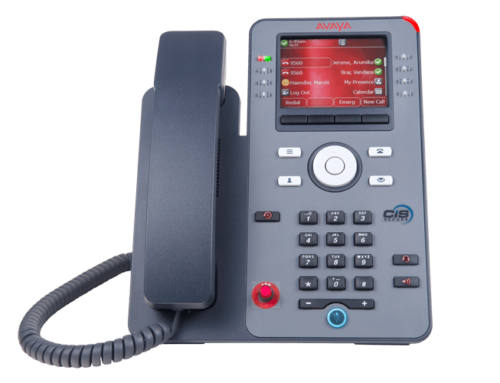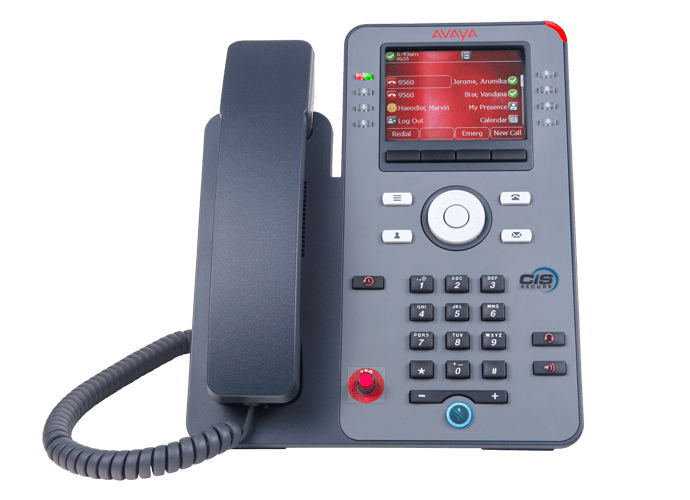
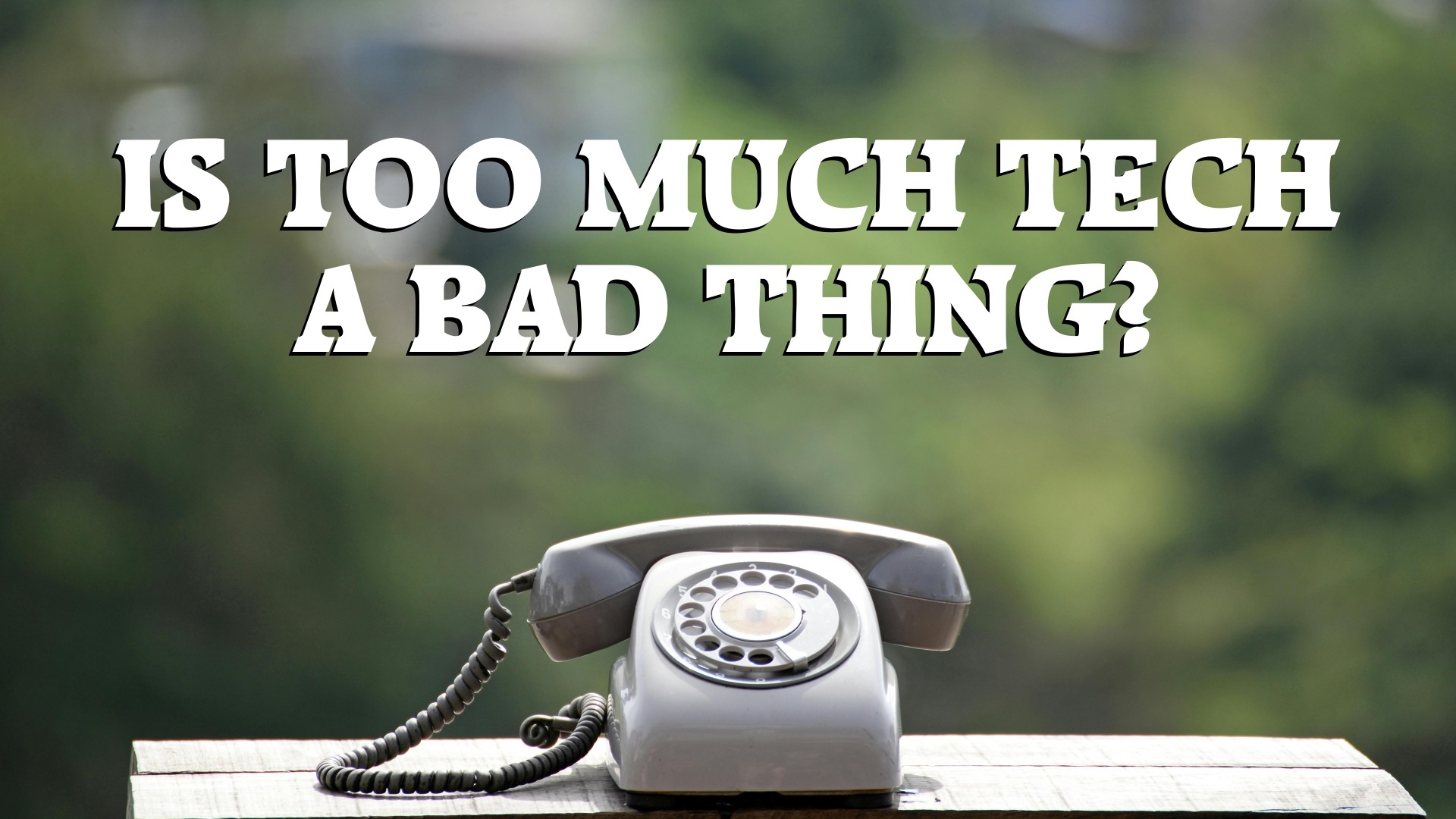
Over the past decade, businesses have increasingly adopted phone-based technologies to streamline operations and improve efficiency. Automated phone systems, text notifications and AI-driven call routing have made it faster and easier for companies to manage large volumes of customers.
While these tools save time and reduce operational costs, they often come with an unintended consequence: significantly less direct interaction with clients. In many cases, the efficiency gained through technology may also mean missed opportunities for stronger relationships, and additional revenue.
Phone technology has transformed the way businesses communicate. Automated menus, self-service scheduling systems, and SMS reminders allow customers to complete tasks without speaking to an employee. For businesses, this can reduce staffing needs and minimize time spent on routine calls.
For example, a customer can book an appointment, confirm it and receive updates entirely through an automated system. From an operational standpoint, this level of automation is incredibly appealing because it reduces human error and increases speed.
However, when businesses remove human interaction from the process, they also remove valuable moments where relationships are built. A simple phone conversation often provides insight into a client’s needs, preferences and concerns. Employees can ask follow up questions, recommend additional services, or identify problems the client may not have mentioned in an automated form.
Another issue is that automated systems can create frustration for customers who need more nuanced support. While many people appreciate the convenience of self-service options, others find rigid phone menus and automated responses impersonal and limiting. When clients feel like they cannot easily reach a real person, their perception of the business may decline. This frustration can lead to lost loyalty, negative reviews or customers choosing competitors that offer more accessible human support.
Small businesses may feel the impact of this shift. Personal relationships and trust are often key differentiators for smaller companies competing against larger corporations. When technology removes the personal touch, businesses risk losing the very advantage that sets them apart.
None of this means phone technology should be avoided. The challenge lies in finding the right balance between efficiency and human connection. Businesses that combine automated tools with accessible, meaningful customer interaction are more likely to capture both operational efficiency and growth.
Ultimately, technology should support communication rather than replace it. Companies that remember the value of a simple conversation may find the opportunities created by human connection far outweigh the time saved by automation alone.